What Is Self Recognition In The Immune System
However when tolerance is lost disorders like autoimmune disease or food allergy may occur. However host defence is o.
Three Recognition Strategies Used By The Innate Immune Defense A Download Scientific Diagram
Immune system - immune system - Evolution of the immune system.

What is self recognition in the immune system. The adaptive immune system is an important component of the host defense against pathogens through the recognition of non-self antigens. Features of the adaptive immune system include. Presence of an infection must be detected by the innate and adaptive immune systems Contain the infection and if possible eliminate it via various immune effector functions eg.
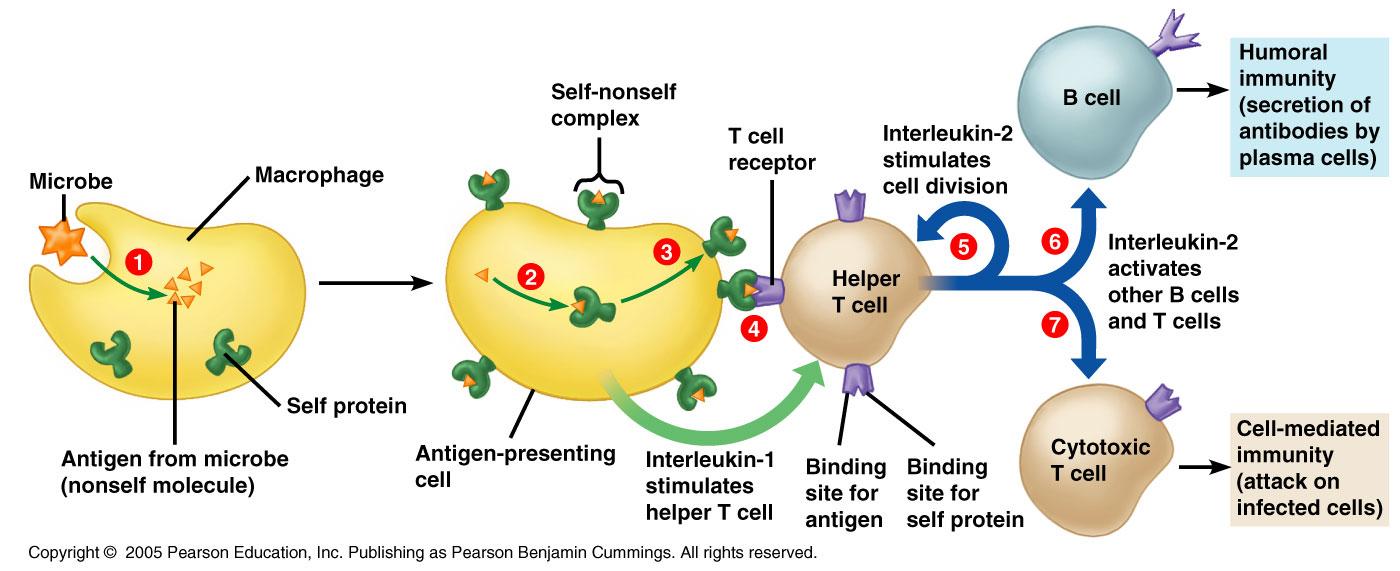
Virtually all organisms have at least one form of defense that helps repel disease-causing organisms. 2 diversity the immune system can produce a hugely diverse set of recognition molecules which allows us to recognize literally billions of molecular shapes 3 memory once it has responded to an antigen the system maintains a memory of that Ag 4 self-nonself recognition the system typically responds only to foreign molecules. A macrophage is a large phagocytic cell that engulfs foreign particles and pathogens.
The gold standard would be a treatment that selectively disables only the antigen-specific response directed at self leaving the rest of the immune system intact to defend the patient against infection. Recognition of specific non-self antigens during the process of antigen presentation. Each element performs a specific task aimed at recognizing andor reacting against foreign material.
Tolerance is the prevention of an immune response against a particular antigen. Breaching immune tolerance to self-DNA complexed with. Organization and Development of the Immune System The immune system is a wonderful collaboration between cells and proteins that work together to provide defense against infection.
The innate immune system is more ancient than the acquired or adaptive immune response and it has developed and evolved to protect the host from the surrounding environment in which a variety of toxins and infectious agents including bacteria fungi viruses and parasites are found 1. The immune system has innate and adaptive components. The immune system was identified as a protective factor during infectious diseases over a century ago.
This has proven to be extremely difficult to achieve in human. If the immune system malfunctions and mistakes self for nonself it may attack the bodys own tissues causing an autoimmune disorder Autoimmune Disorders An autoimmune disorder is a malfunction of the bodys immune system that causes the body to attack its own tissues. Advanced vertebrate animals a group that includes humans defend themselves against such microorganisms by means of a complex group of defense responses collectively called the immune system.
The adaptive immune system also referred as the acquired immune system is a subsystem of the immune system that is composed of specialized systemic cells and processes that eliminate pathogens or prevent their growth. The effects of the immune system or immune mediators on non-immune cells in atherosclerotic plaques are outside the scope of this Review. The immune system has specific cells with receptors that recognize these PAMPs.
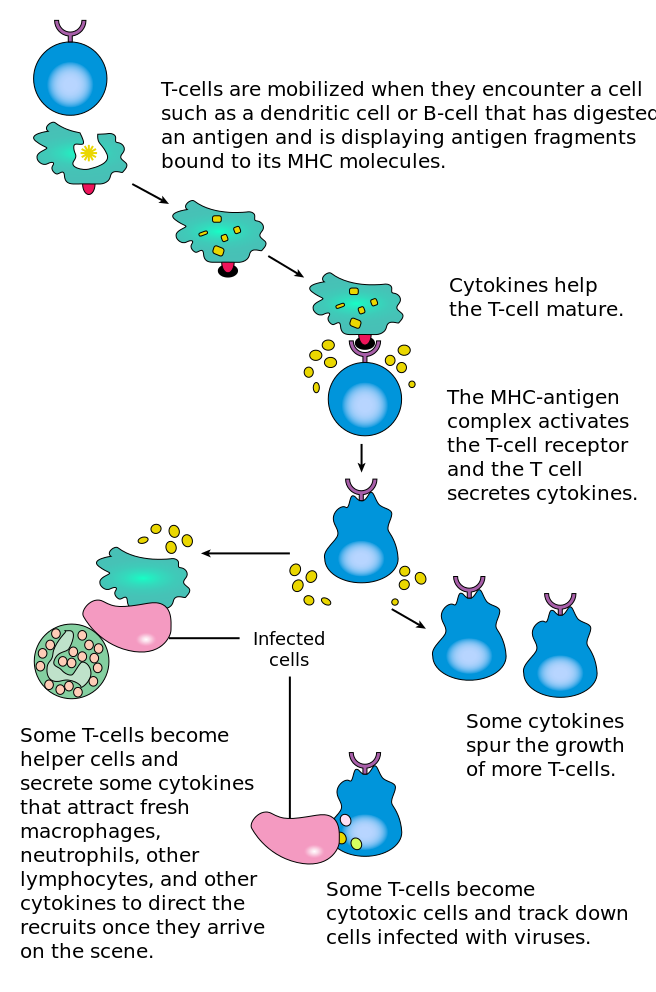
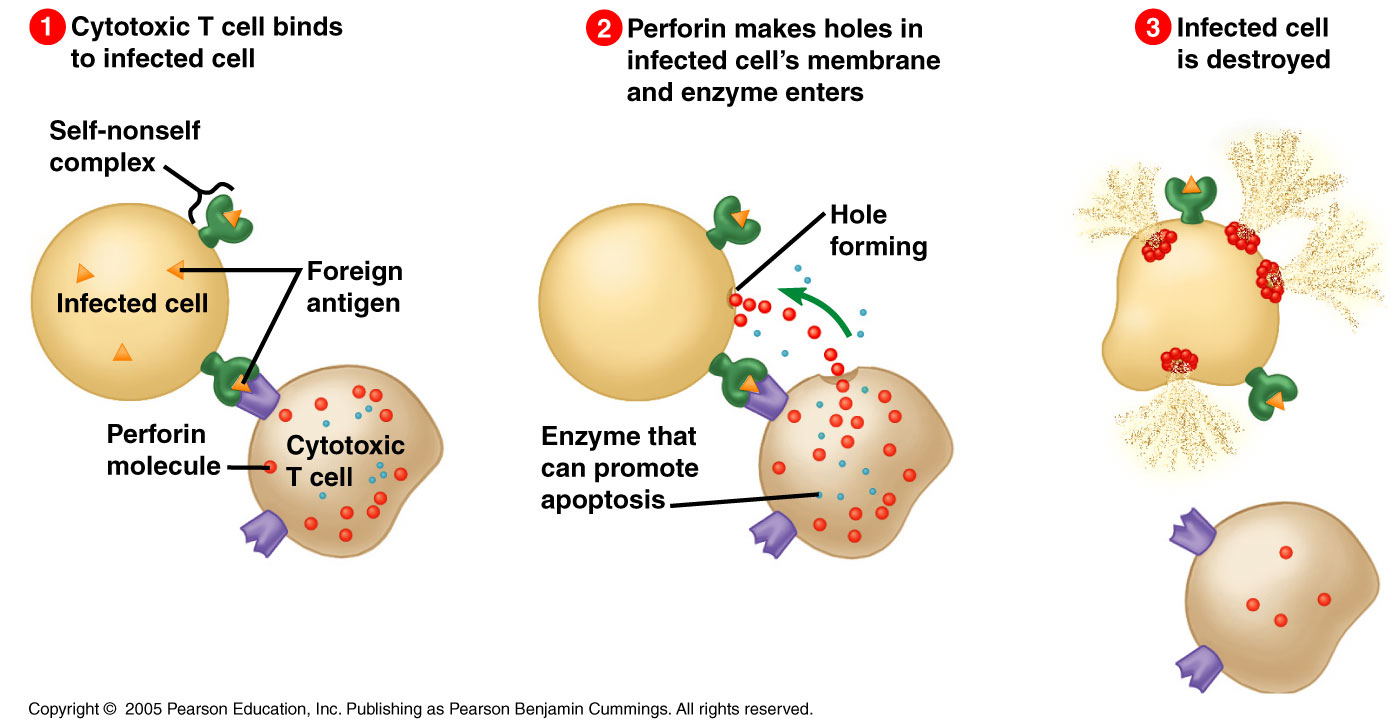
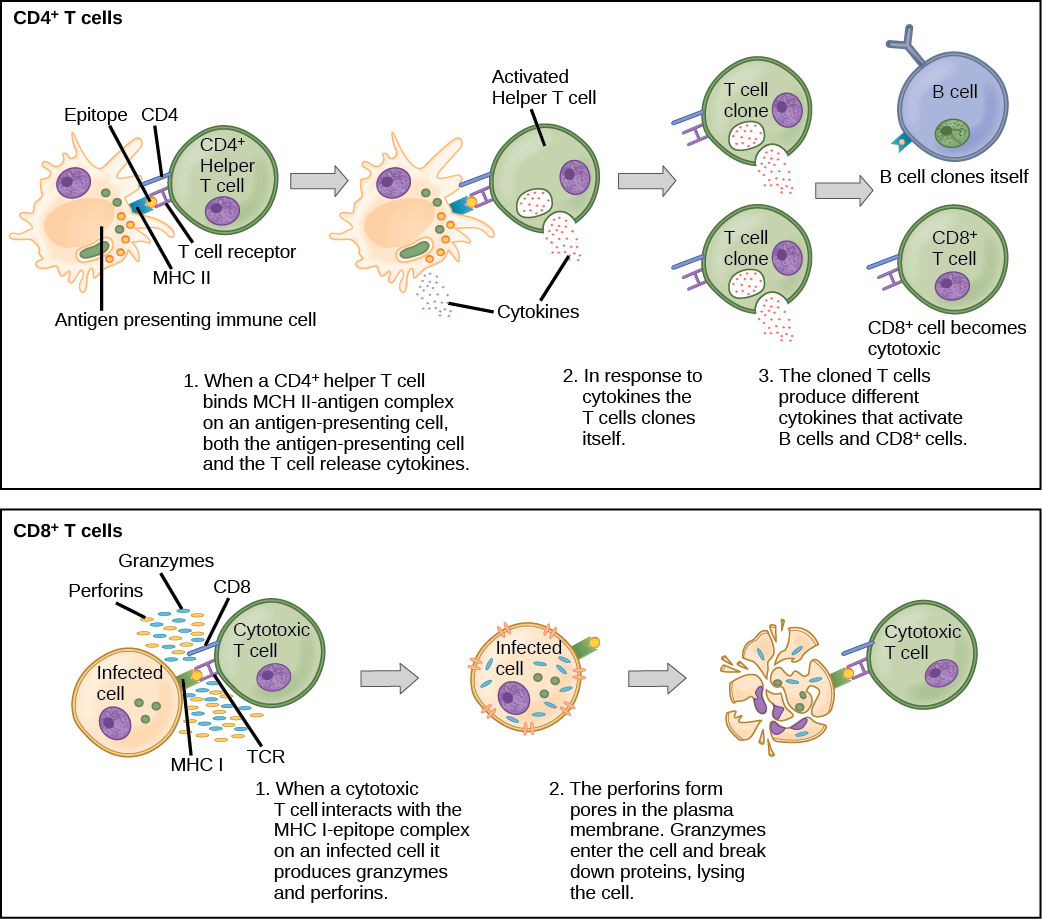
T H lymphocytes recognize specific antigens displayed in the MHC II complexes of APCs. To differentiate self from nonself unique molecules on the plasma membrane of cells called the major histocompatibility complex MHC are used as a means of identification. Inflammatory responses and phagocytosis.
T H 1 and T H 2. The primary defending cells of the immune system are certain white blood cells called. What triggers autoimmune disorders is not known.
The other crucial recognition system of the adaptive immune response. These PAMPs allow the immune system to recognize self from other so as not to destroy the host. Current definitions and textbook information are still largely influenced by these early observations and the immune system is commonly presented as a defence machinery.
This is essential because bacteria and viruses are continually adapting and evolving in an arms race with our immune systems. The immune system is composed of a variety of different cell types and proteins. The acquired immune system is one of the two main immunity strategies found in vertebrates the other being the innate immune system.
During pregnancy immune educator cells teach the mothers immune system to recognize the developing fetus as part of her self protecting it from being attacked as something other. There are two major populations of T H cells. The T H lymphocytes function indirectly to identify potential pathogens for other cells of the immune system.
These cells are important for extracellular infections such as those caused by certain bacteria helminths and protozoa. For instance the immune system is generally tolerant of self-antigens so it does not usually attack the bodys own cells tissues and organs. This process of acquired immunity is the basis of vaccination.
Innate immunity is present in all metazoans while adaptive immunity only occurs in vertebrates. The concept that R proteins recognize pathogen-induced modified self is similar to the recognition of modified self in danger signal models of the mammalian immune system 5. This defensive mechanism is mediated by B lymphocytes and T lymphocytes which display a diverse range of specific antigen receptors during humoral and cellular-mediated immunity.
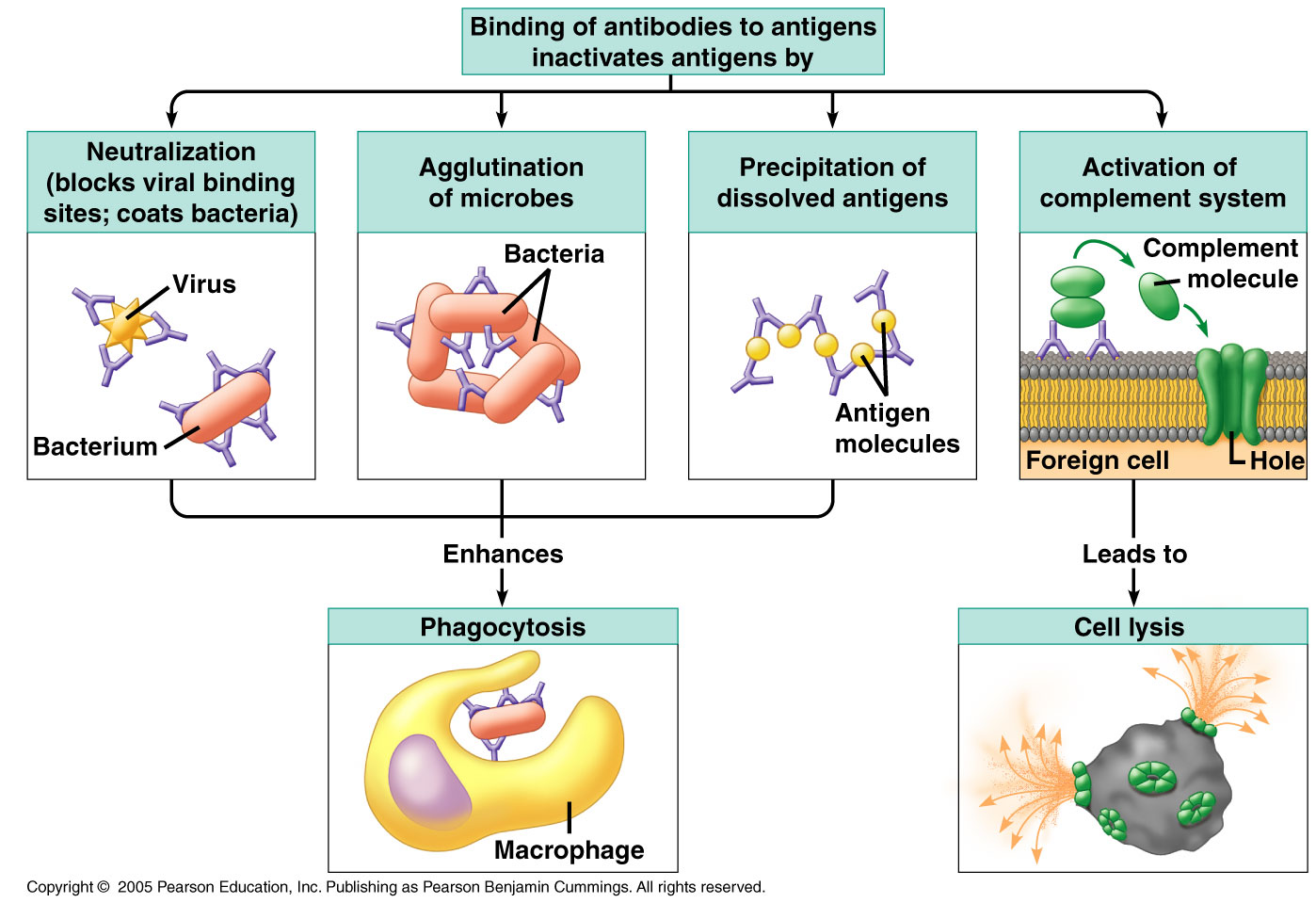
The antigen or cell is recognized as nonself. Antibodies complement Immune regulation limits damage to the host by the immune. The innate immune response is the first mechanism for host defense found in all multicellular organisms.
The innate component of the immunity system involves the recognition of certain foreign non-self molecules to generate one of two types of innate immune responses.
Immune System
Innate Immune Response Boundless Biology

Immune System

Pin On Jama Oncology

Pediagenosis Langerhans Cell Immune System System

Image Result For Innate Vs Adaptive Antigen Recognition Innate Vs Adaptive Immune Response Recognition

Antigens And Immunity Exams Tips Immune System Lymphatic
Innate Immune Response Boundless Biology

The Immune System Review Article Khan Academy

Immune System Immunology Immune System Lymphatic System
This Is The Timeline And Possible Outcomes For T Cell Differentation Immunology Immune System Nursing Biomedical Science
Adaptive Immune Defenses
Immune System

Adaptive Immunity Boundless Anatomy And Physiology

Self Versus Non Self Bioninja
23 2 Adaptive Immune Response Concepts Of Biology 1st Canadian Edition
12 Differences Between Primary And Secondary Immune Response

Pin On Immunology System

Lpn Salary In Ohio Lpnclasses Medical Laboratory Science Immune System Medical Science